
Deciphering Macromolecular Dynamics
Bridging the gap between biophysics and high-performance computing, this independent graduate research initiative specializes in deciphering macromolecular dynamics. Core capabilities include designing large-scale molecular dynamics (MD) trajectories and orchestrating high-throughput virtual screening (HTVS) across cloud-native GPU infrastructures.
Integrating rigorous academic methodology with custom Python automation accelerates drug refinement and structural biology calculations through highly optimized simulation models. Fluency in both laboratory protocols and advanced data analytics ensures the delivery of reproducible, publication-ready computational insights tailored to elevate complex wet-lab discoveries.
All-Atom Trajectory Engines
Executing thermodynamic ensemble equilibrations (NVT/NPT), solvent shell parameters, and long-range electrostatic evaluations.
Peptide & Screening Pipelines
Multi-million ligand library screening, flexible peptide loop conformation sampling, and allosteric pocket affinity calculations.
Homology & Quality Repair
Reconstructing missing loop residues, stabilizing zinc-finger coordination geometries, and eliminating steric backbone clashes.
High-Performance Research & Structural Analytics
Accelerating drug refinement and structural biology calculations through rigorous, GPU-accelerated simulation models.
Virtual Screening & Structural Analysis
Executing multi-ligand database screening against target receptor pockets utilizing AutoDock Vina and LeDock with GPU-accelerated grid search algorithms.
Macromolecular Dynamics & Thermodynamics
Refining microsecond-scale classical trajectories to map protein stability, active pocket flexibilities, and binding free energy profiles.
Custom Bioinformatics Pipelines
Proprietary Python automation tools for receptor purification, protonation at pH 7.4, synergy match filtering, and loop reconstruction.
Engineered Solutions for Computational Biophysics
Beyond simply executing software, true computational biophysics demands engineered solutions. Whether the requirement is a high-resolution molecular interaction figure for a journal submission or a custom Python pipeline for GPU-accelerated compound screening, scalable and scientifically rigorous computational power is integrated directly into the research workflow. Let’s connect to decode the dynamics of the next big project.
In Silico Case Studies
Explore our recent structural biology pipelines and open-source bioinformatics automation tools.
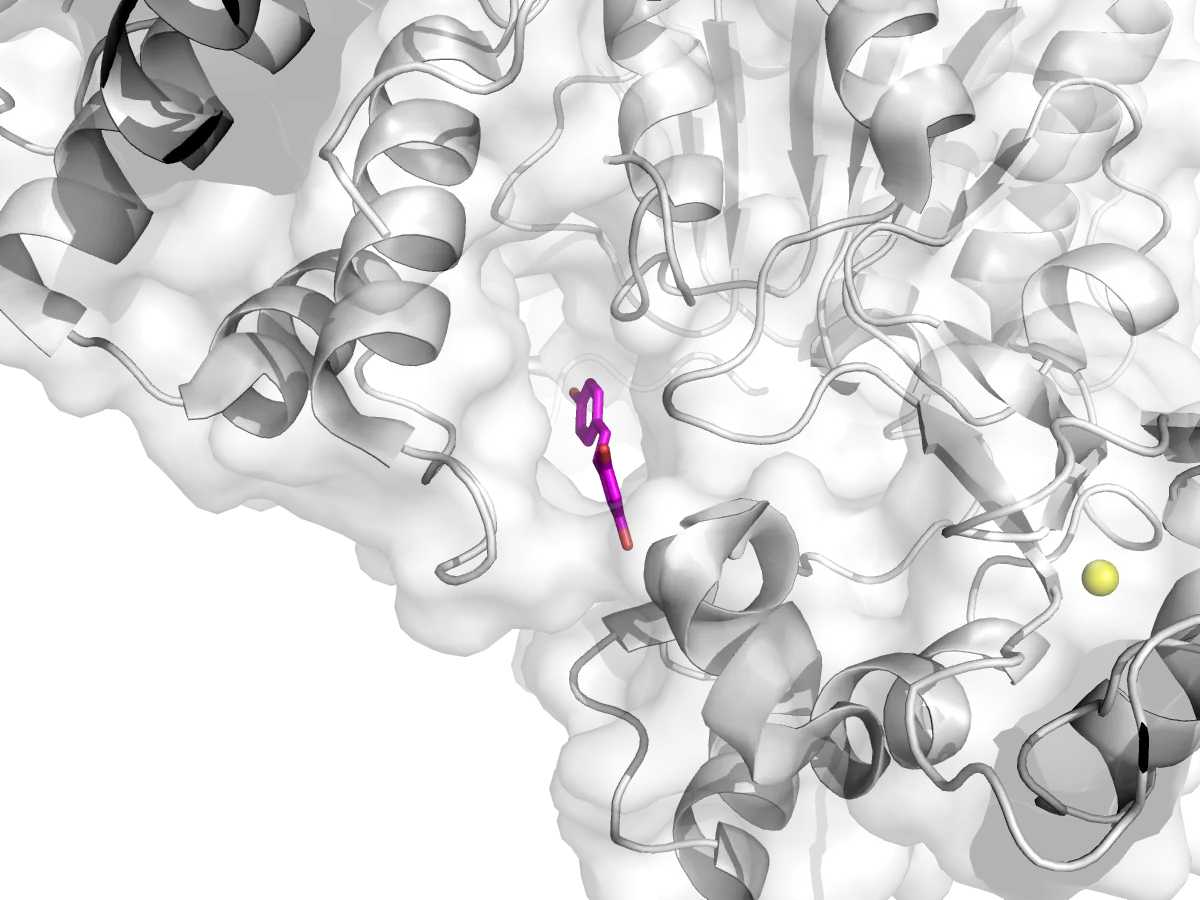
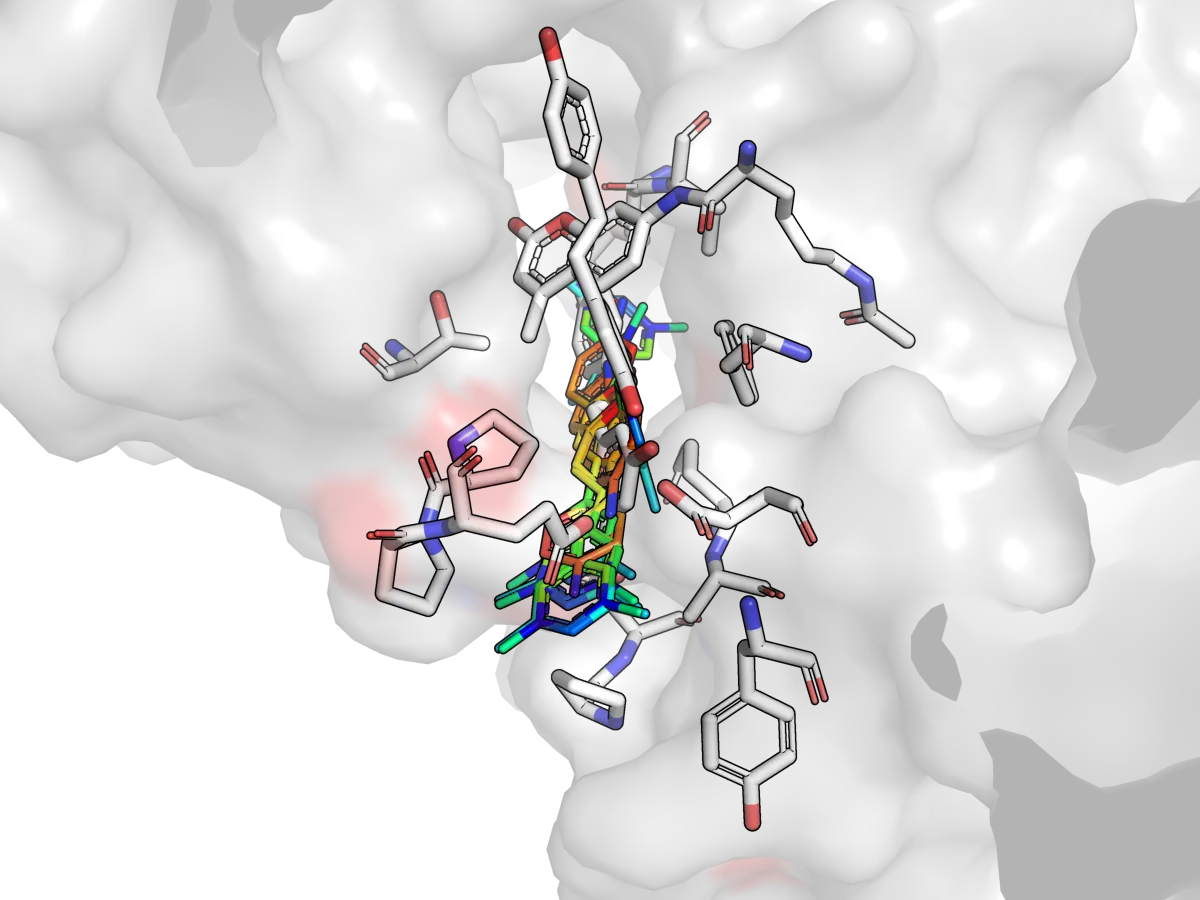
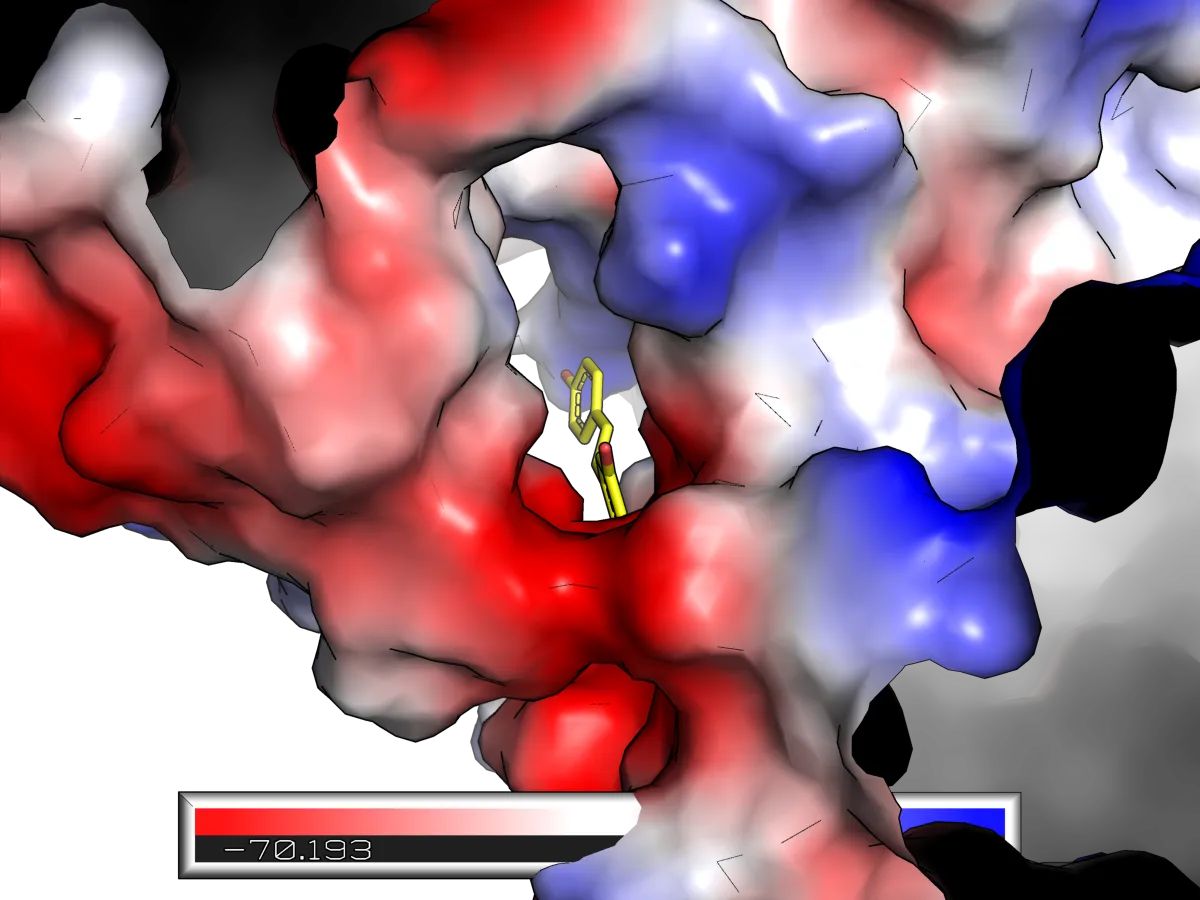
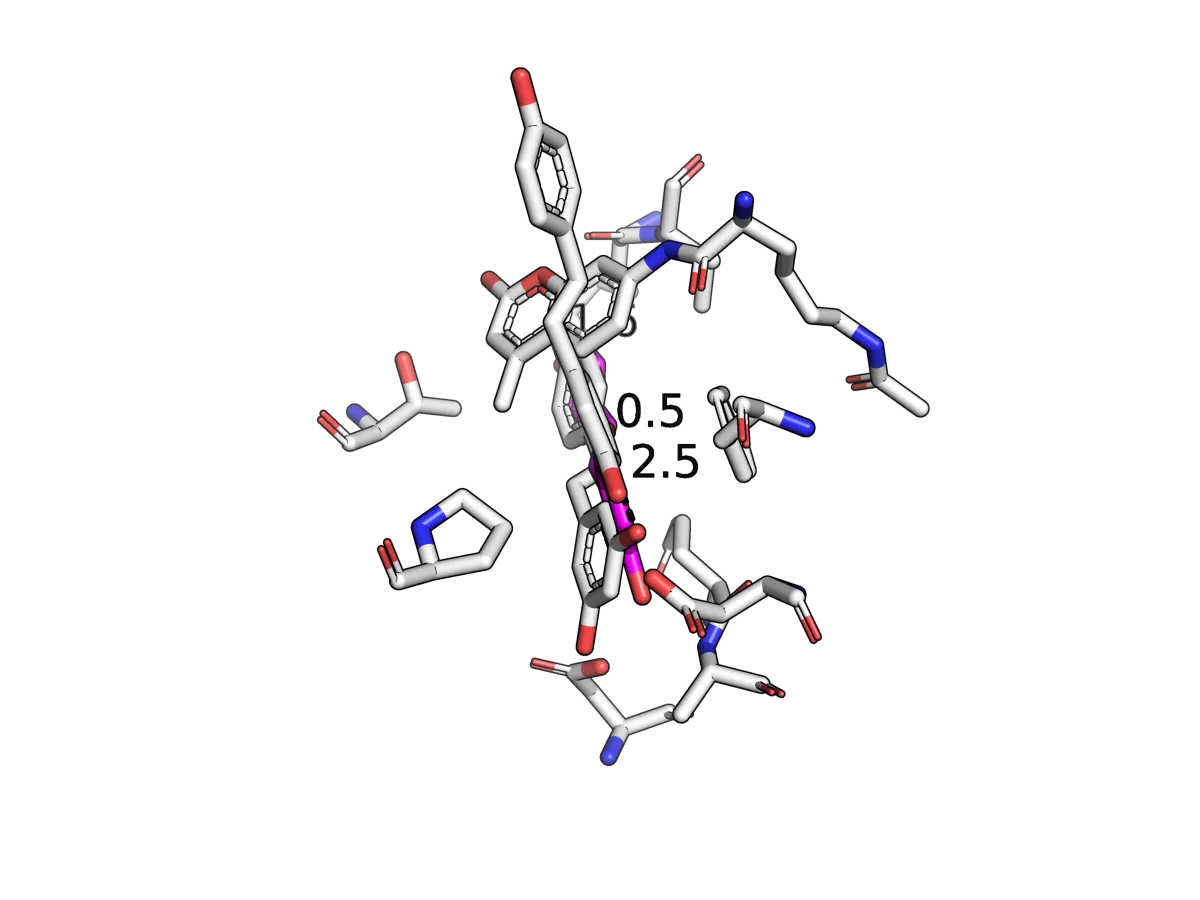
SIRT1 Resveratrol Allosteric Docking
Re-docking validation of Resveratrol to human SIRT1 (PDB: 5BTR) with a -7.9 kcal/mol Vina docking score and tetrahedral zinc finger coordination analysis.
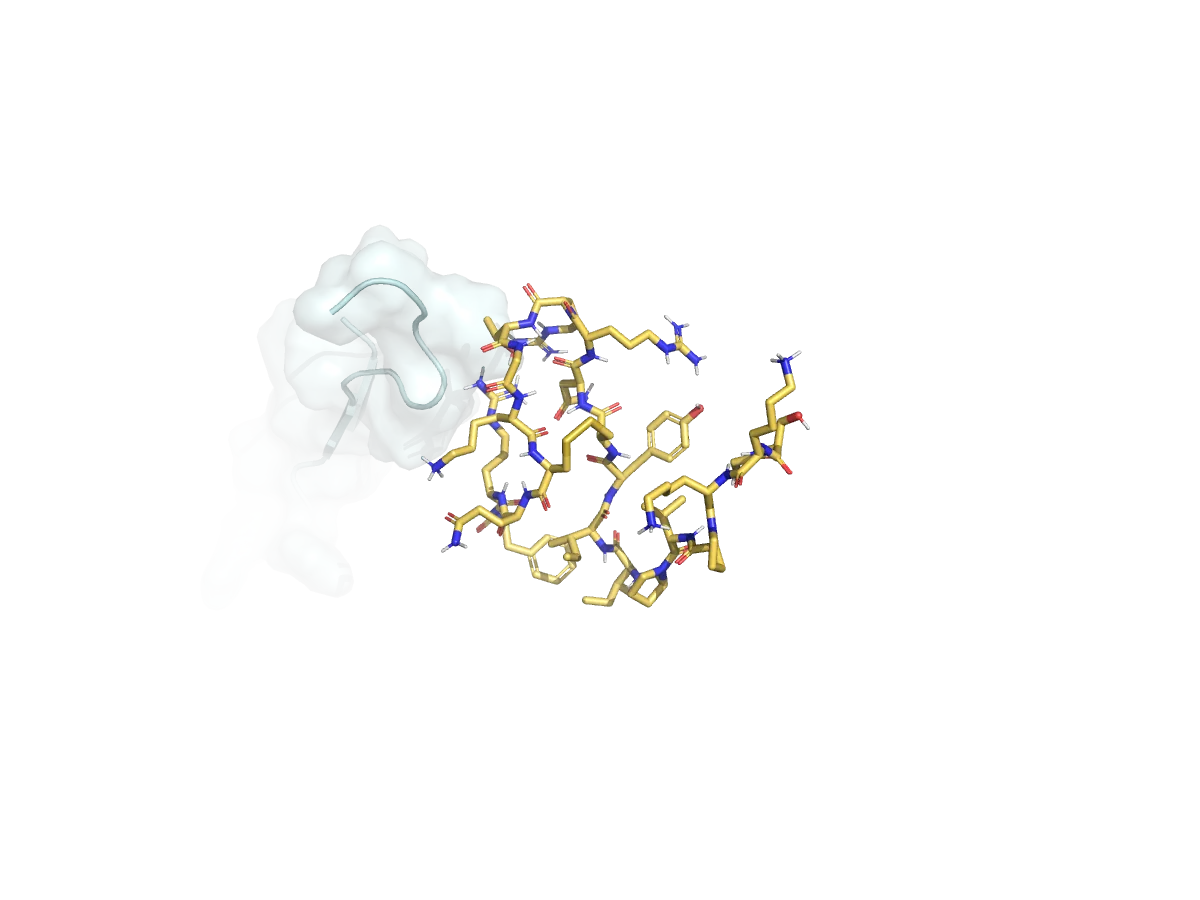
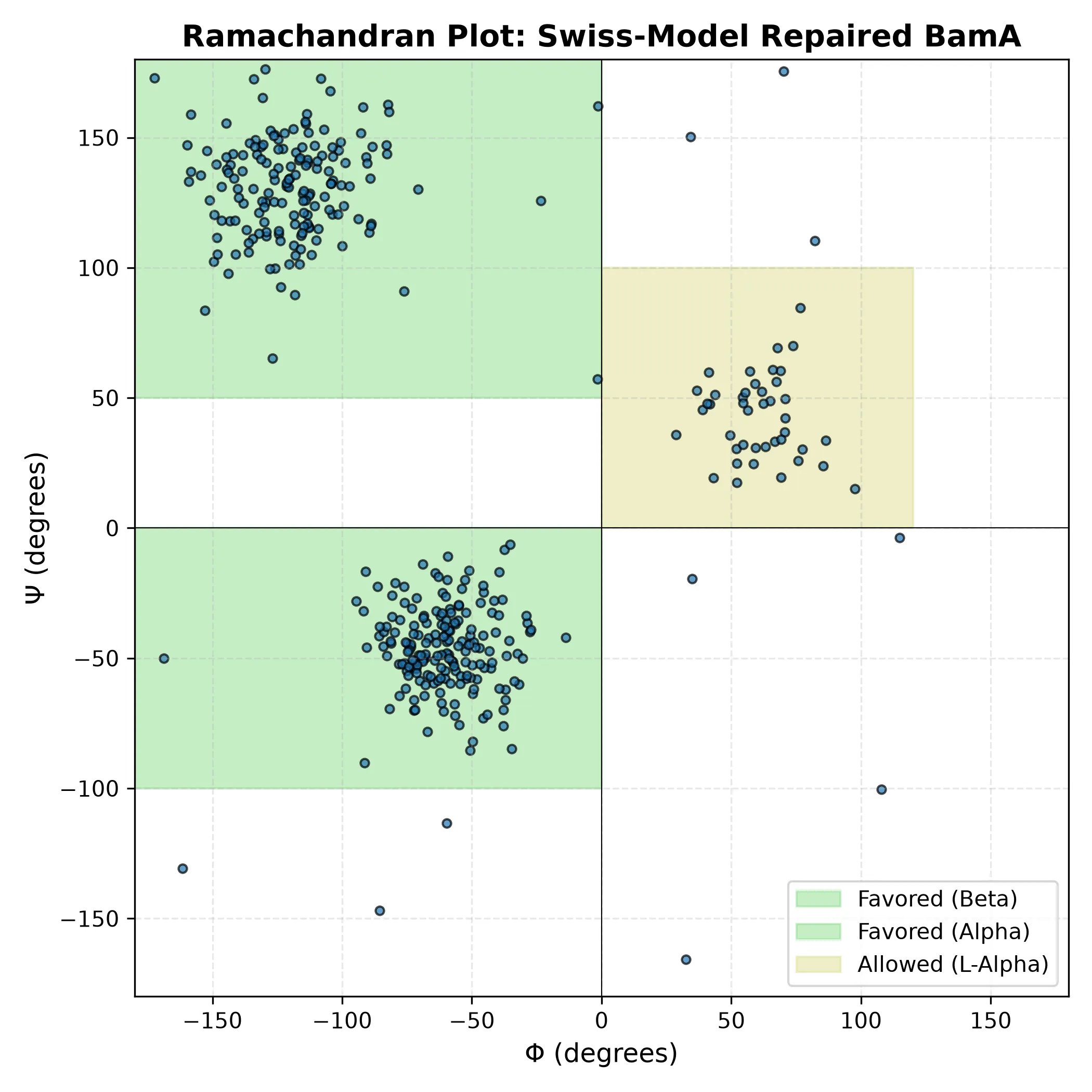
BamA Loop Repair & Thanatin Peptide Docking
Swiss-Model reconstruction of an unresolved 19-residue loop on BamA (PDB: 7NRE) coupled with targeted Thanatin docking clash resolution (-8.4 kcal/mol).
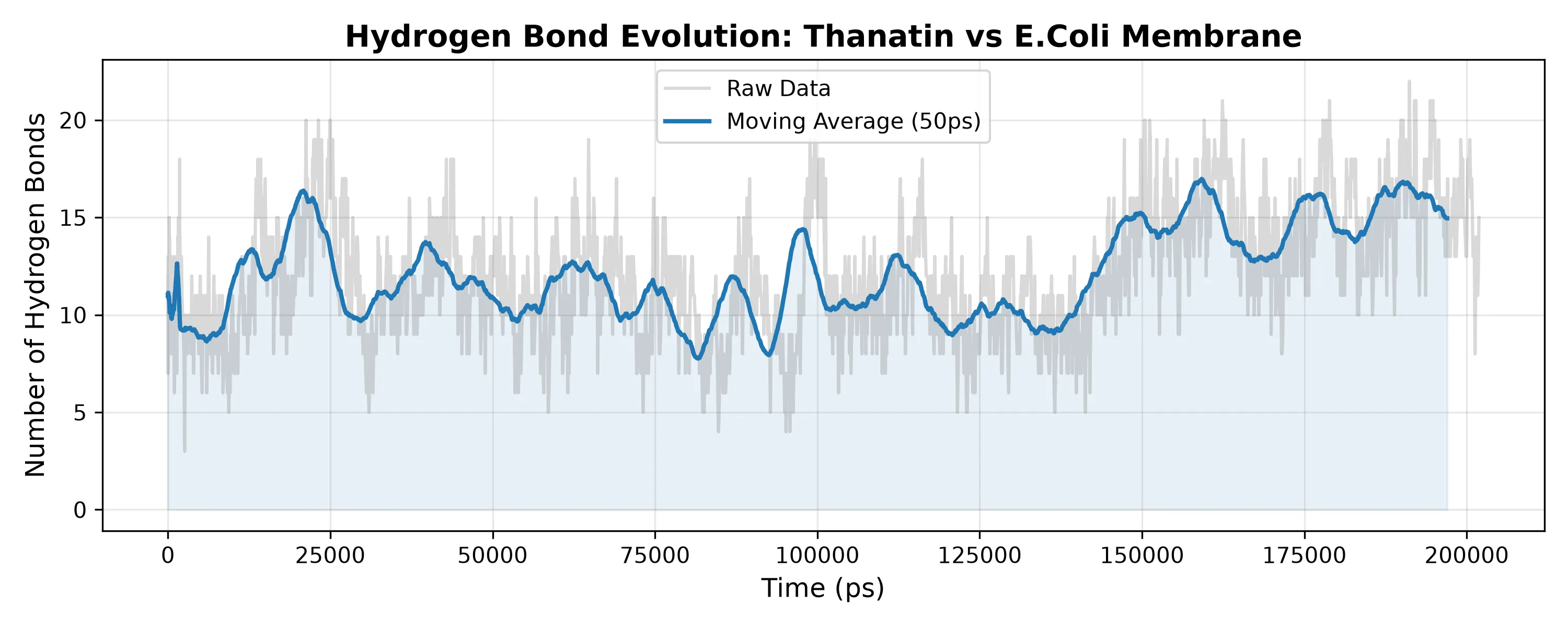
200 ns MD Simulation & E. coli Membrane Protocol
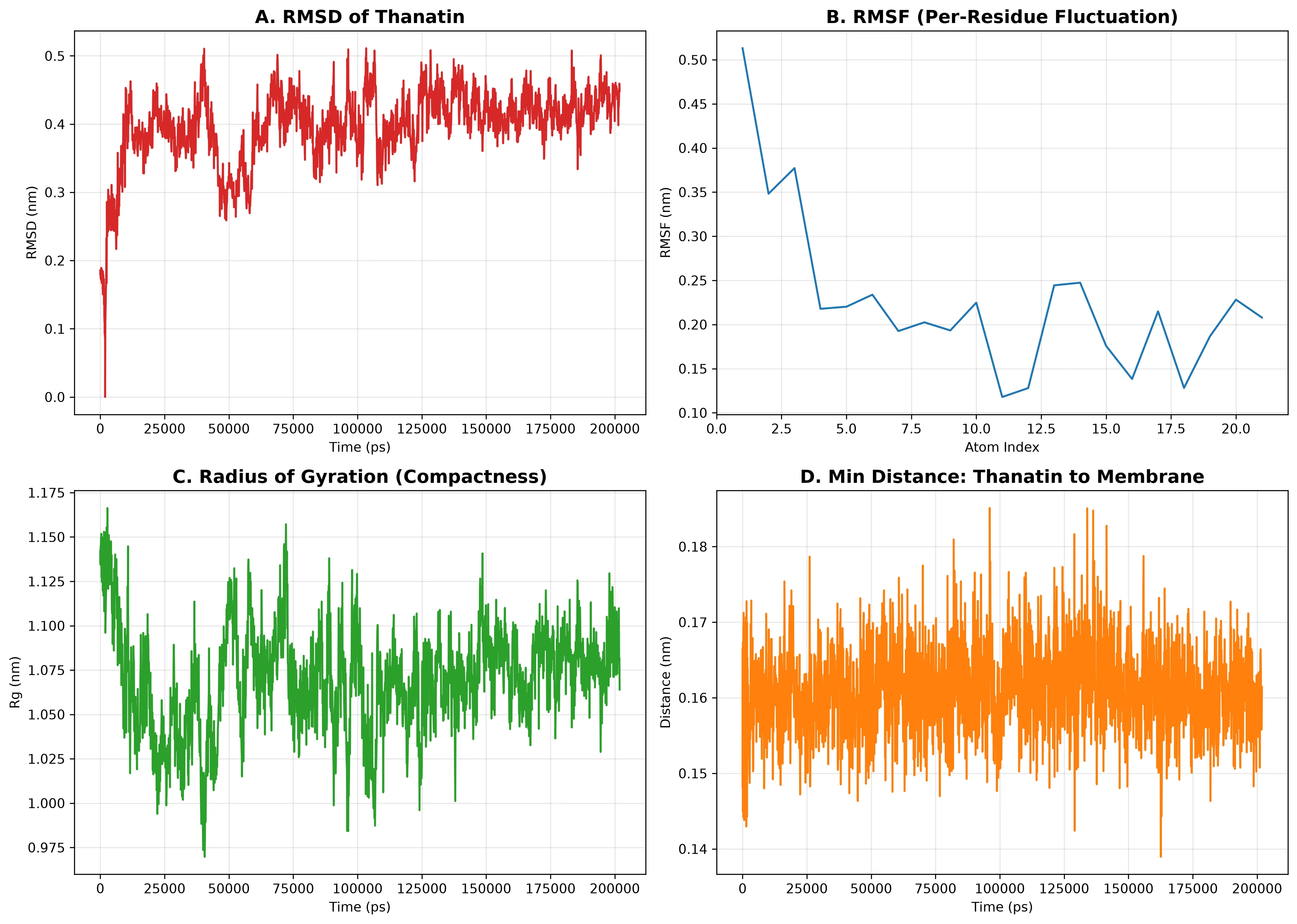
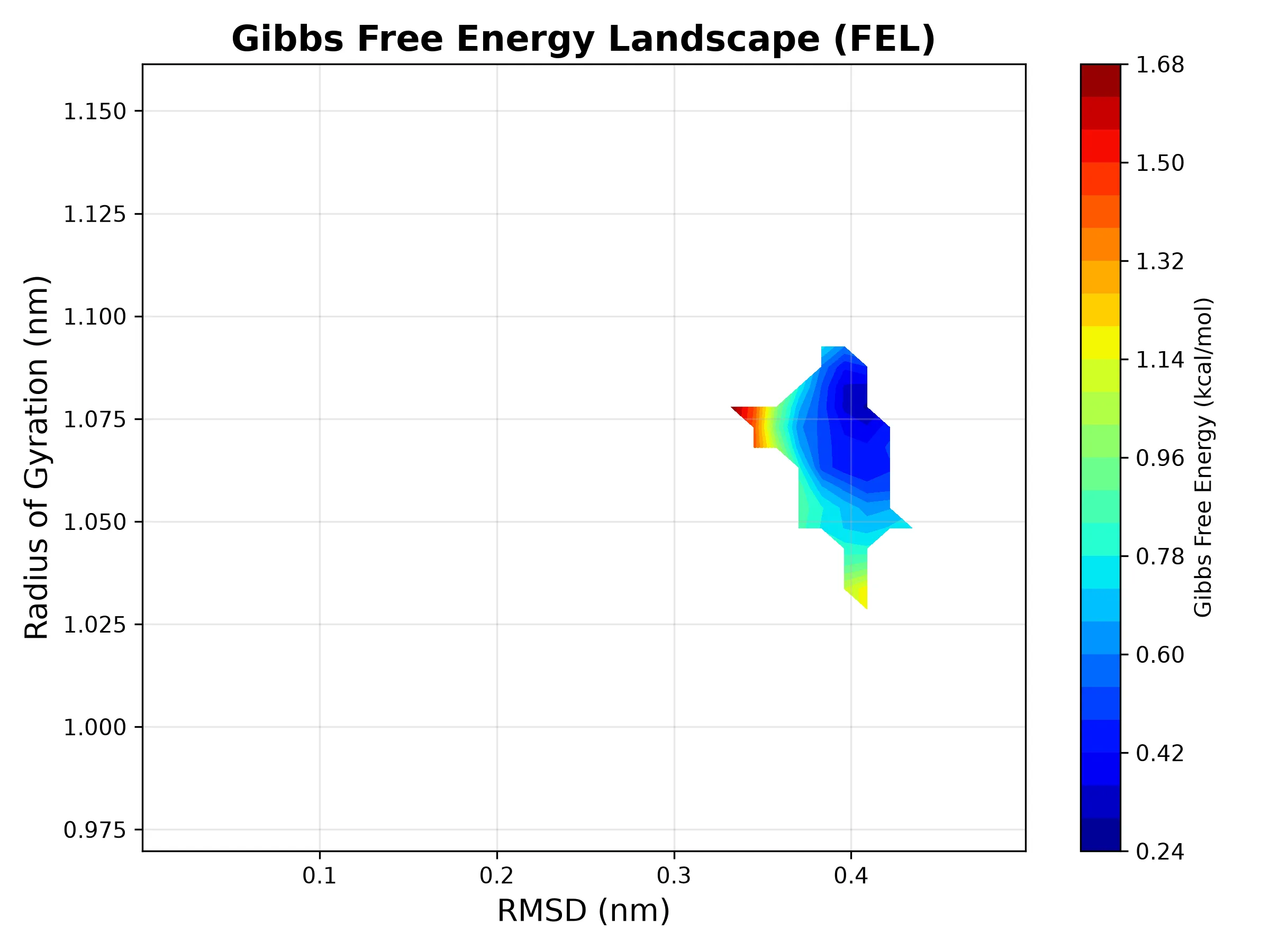
All-atom GROMACS MD trajectory capturing spontaneous Thanatin peptide binding to an asymmetric bacterial bilayer under CHARMM36 parameters.
HTVS Automation Toolbox (HTVS-SDK)
End-to-end Python pipeline for downloading, purifying, and pH 7.4 protonating receptors, automatically calculating pocket-residue grid centers.
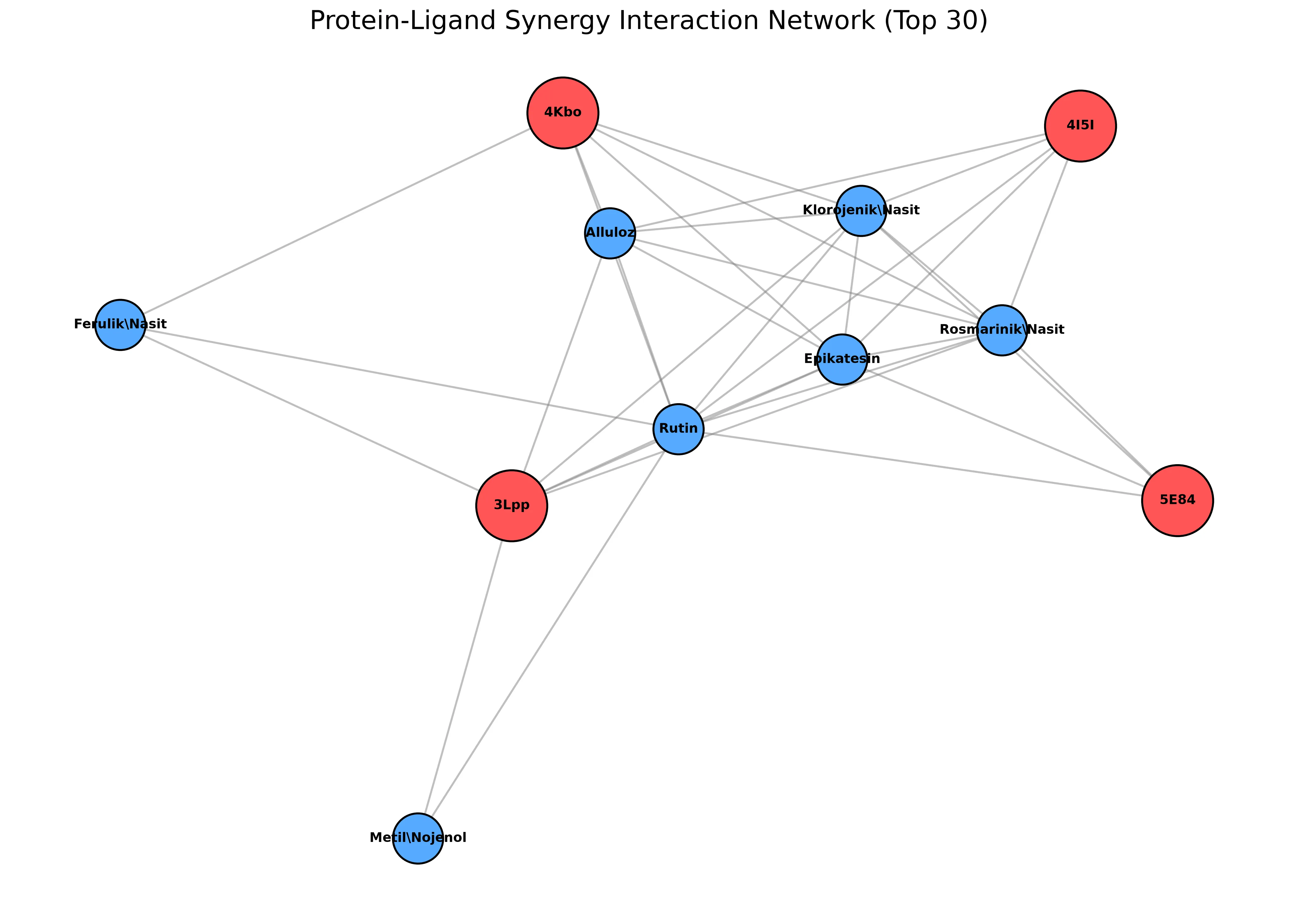
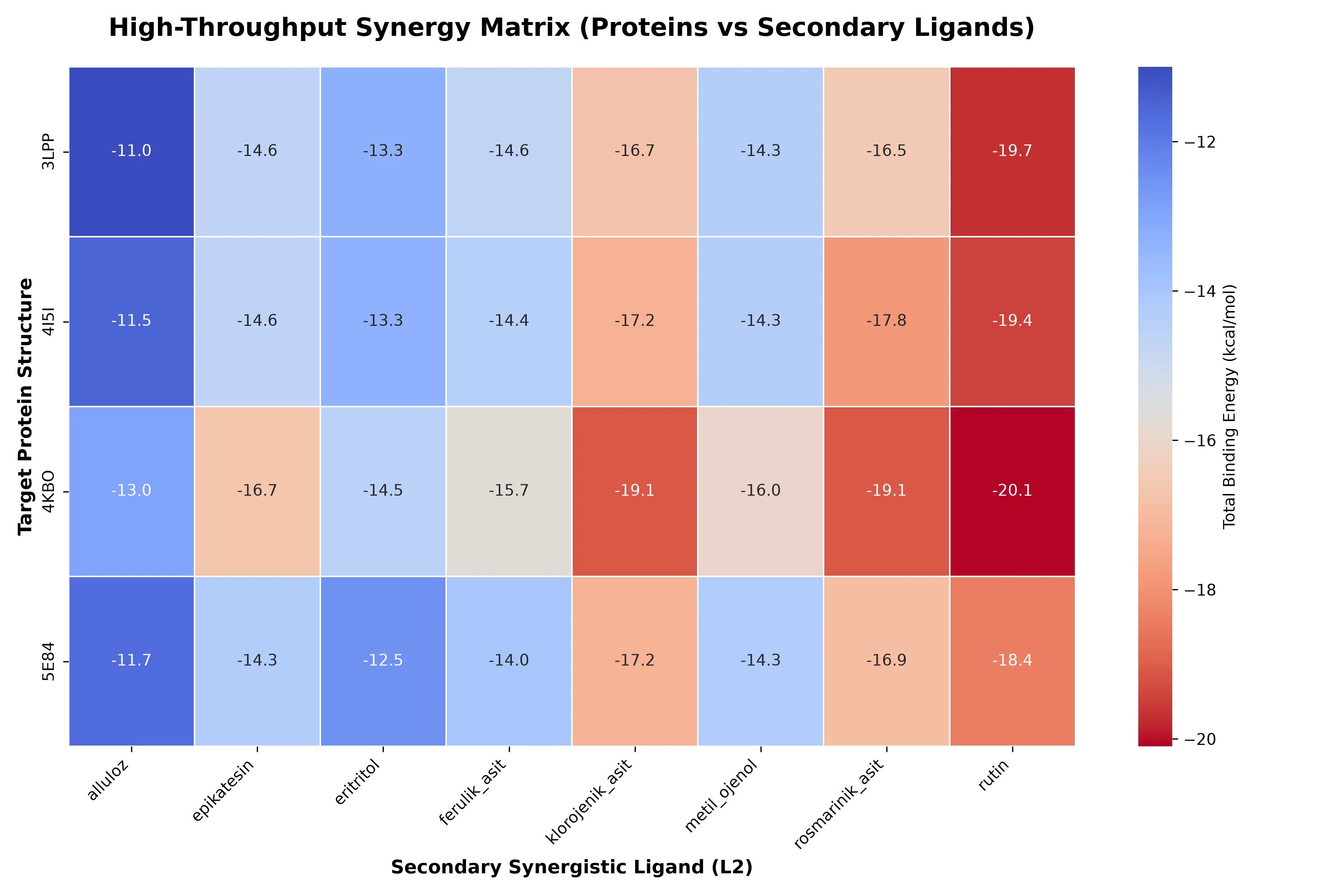
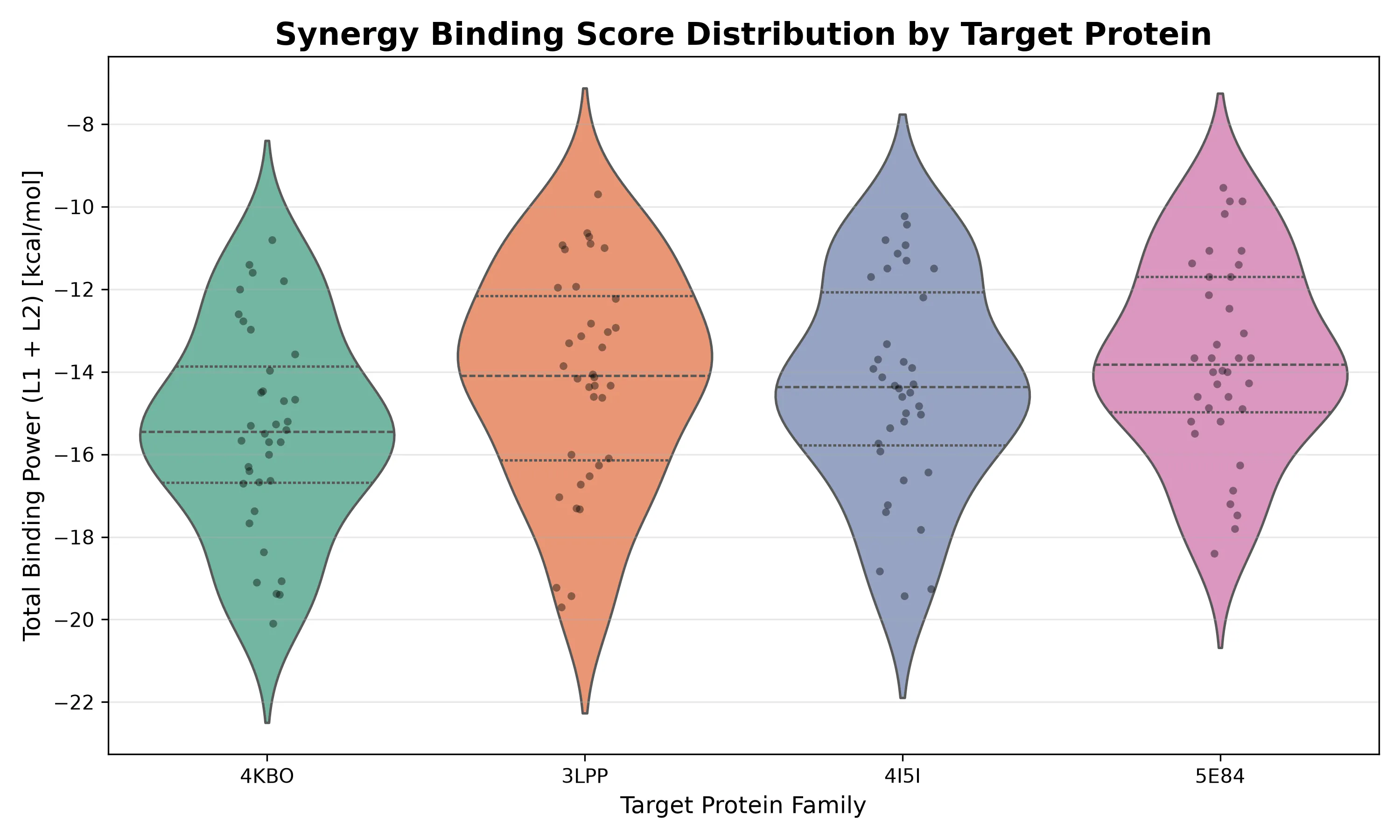
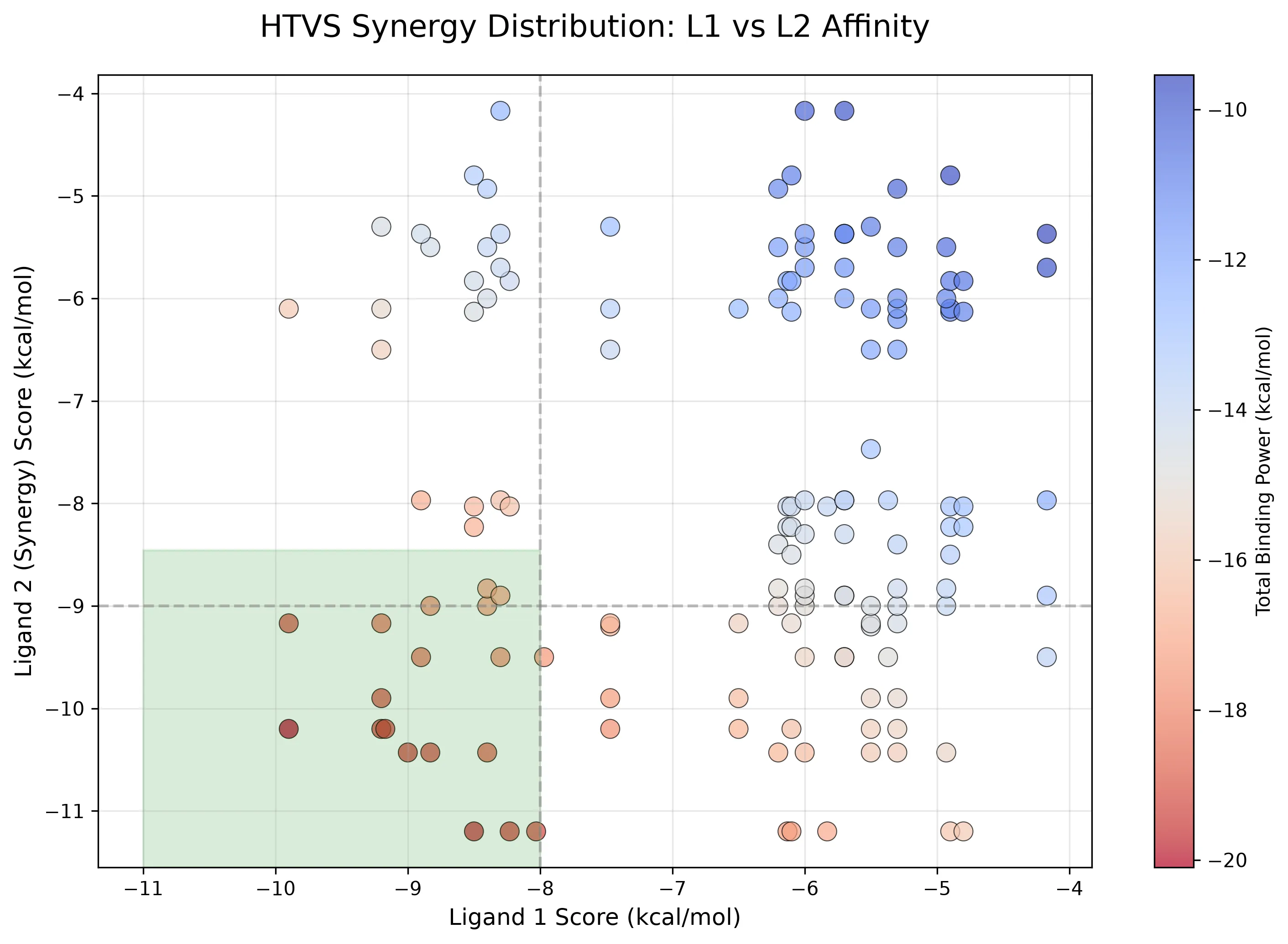
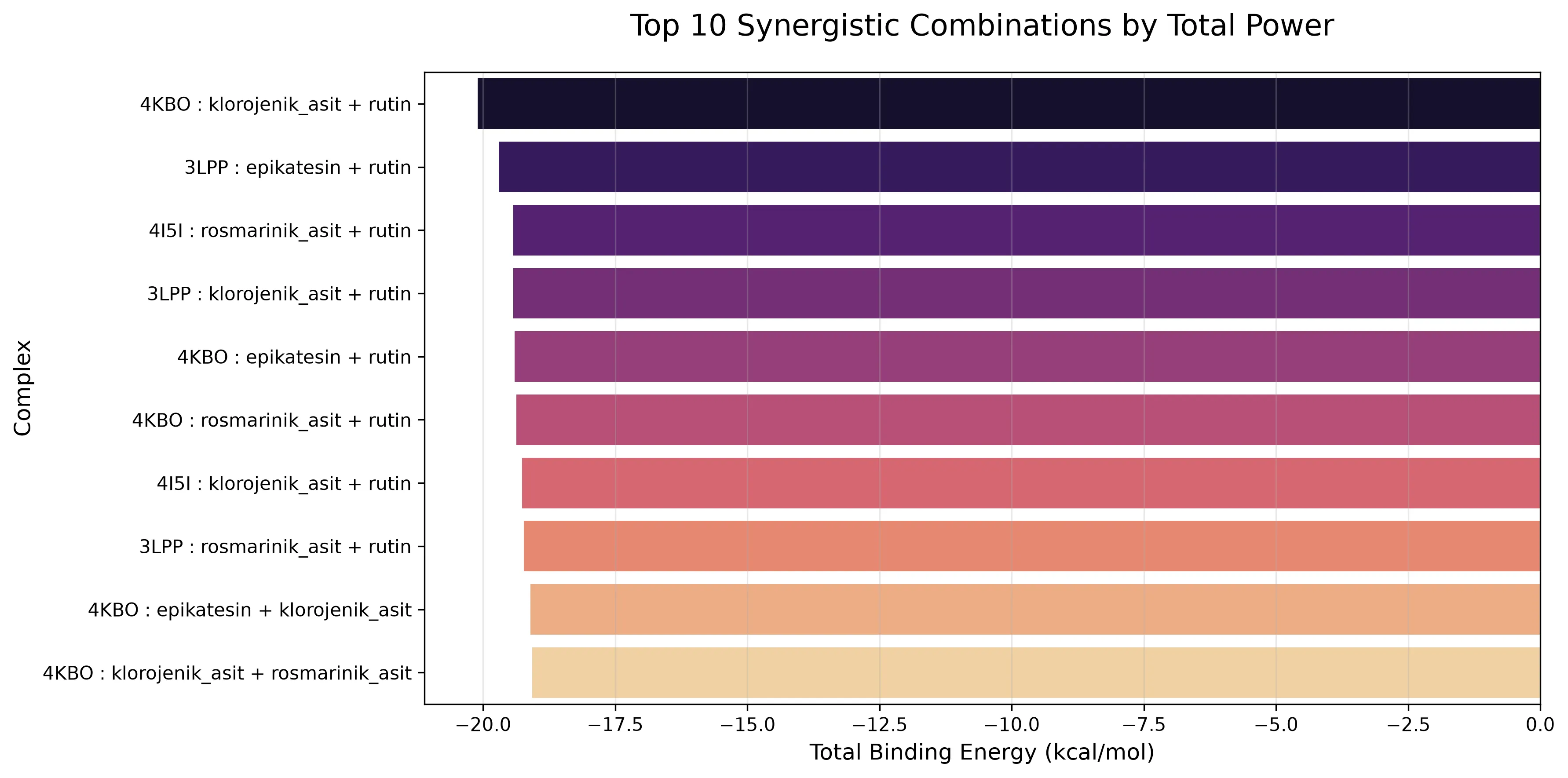
Synergy Docking Selector (Score ≤ -10)
Advanced sorting algorithm that cross-references dual-ligand binding results, automatically parsing hundreds of Vina log files to isolate synergistic compounds outperforming the strict -10.0 kcal/mol threshold.
Transparent Project Packages
Every package includes system preparation, analysis and a written report, not raw output only. Prices are in USD, excluding taxes. Larger systems, longer trajectories or extra analyses are quoted before work begins.
Docking Package
01- —1 receptor target, up to 10 ligands
- —Re-docking validation of the protocol
- —2D/3D interaction figures
- —Written report with binding affinities
MD Simulation Package
02- —1 protein-ligand complex, 100 ns production run
- —System setup, NVT/NPT equilibration
- —RMSD, RMSF, Rg and H-bond analyses
- —Written report with publication-ready plots
Virtual Screening
03- —1 target, compound library screening
- —Ranked hit list
- —Top 10 hits re-docked and inspected
- —Written report
Custom Work & Pipelines
04- —Custom Python automation and analysis
- —MM-PBSA, homology modeling and loop repair: quoted per project
- —Scope and estimate agreed before work starts
Frequently Asked Questions
What do I need to send to start a project?+
The target structure (a PDB ID or your own model), the ligands as SMILES, SDF or MOL2, the binding site if it is known, and the question you want answered. A short summary through the contact form is enough for a quote.
What will I receive?+
A written report with methods, parameters and results, publication-ready figures, and the input and parameter files needed to reproduce the work. Full trajectory files are shared on request.
How long does a project take?+
It depends on system size and simulation length. The timeline is stated in the quote and agreed before work starts.
Is my data kept confidential?+
Your structures, compounds and results are used only for your project and are never published or shared. An NDA can be signed on request.
Which software do you use?+
GROMACS and AMBER with the CHARMM36 force field for molecular dynamics, AutoDock Vina and LeDock for docking, and PyMOL and Discovery Studio for figures. Custom steps are written as Python pipelines so every run is reproducible.
Can I pay in Turkish lira?+
Yes. Clients in Turkey can see lira prices on the Turkish page at insilico-dynamics.com/tr/.
Contact Us
We configure and execute high-throughput docking screens, custom peptide modeling, and GPU-accelerated molecular dynamics trajectories. Reach out to coordinate your computational runs directly.